
Replacing default with intention.Awe makes the world bigger and you smaller
Everything I write comes down to one thing: replacing default with intention. Default is what you do without choosing it, repeating what was done before or what others do. Intention is consciously committing to a direction. Each piece approaches it from a different angle, and together they build toward an authentic, happy and meaningful life.
Awe is the feeling you get in the presence of something so vast that you cannot quite take it in. A night sky far from the city. A piece of music that stops you. Someone doing something so kind or brave that it changes how you see people. Psychologists describe awe by those two parts: something vast, and the need to stretch your understanding to make room for it. I describe it as being in complete admiration and appreciation of life. Thankfully, I’ve been experiencing it a lot lately.
The default: no time for wonder
Awe rarely makes it onto our to-do lists. When our time is organized around what we need to achieve, experiences without a particular result can easily be left to chance. We pass something beautiful without stopping, or remain so occupied with our own thoughts that we barely notice it. That is a loss, because awe can enrich how we experience life and how we relate to others.
What awe does
In one experiment, people spent a single minute looking up at a grove of towering eucalyptus trees. Afterward, when a researcher nearby dropped a box of pens, they helped pick up more of them than people who had spent that minute looking at a building. Across several studies, the researchers found that awe could encourage generosity and helping, partly through a reduced focus on the individual self and its own concerns.
This is what feeling “smaller” means here: becoming less occupied with ourselves and more aware of being part of something larger. Our concerns can take up less of our attention, leaving more room to notice the world and other people, and to contribute.
In another study, older adults were asked to take fifteen-minute walks once a week for eight weeks. One group received additional instructions to approach their walks with a sense of wonder and look for things that inspired awe. Compared with the ordinary-walk group, they showed greater increases in joy and emotions such as compassion and appreciation during their walks. In the photographs they took of themselves along the way, they also occupied progressively less of the frame, while the surroundings took up more of the picture. Outside the walks, they reported increasing compassion and other feelings oriented toward others, alongside decreasing daily distress.
Where awe comes from
Nature, art, and music are the sources most people think of. But in research collecting accounts of awe from people in twenty-six countries, a particularly common source was other people: their kindness, their courage, their ability to overcome something hard. Awe is not reserved for nature only. I find it such a beautiful thing that it can be found in the person across from you.
Being an admirer of life is part of how I understand my purpose. Years ago, I started taking regular solo trips to Mallorca, off season, where I would hike up a mountain without encountering anyone along the way. I would sit there in silence, hearing only the ocean and feeling the sun on my face. I was in awe of the surroundings, but also very much of simply being. A moment like that can feel like enough to make an entire life worthwhile.
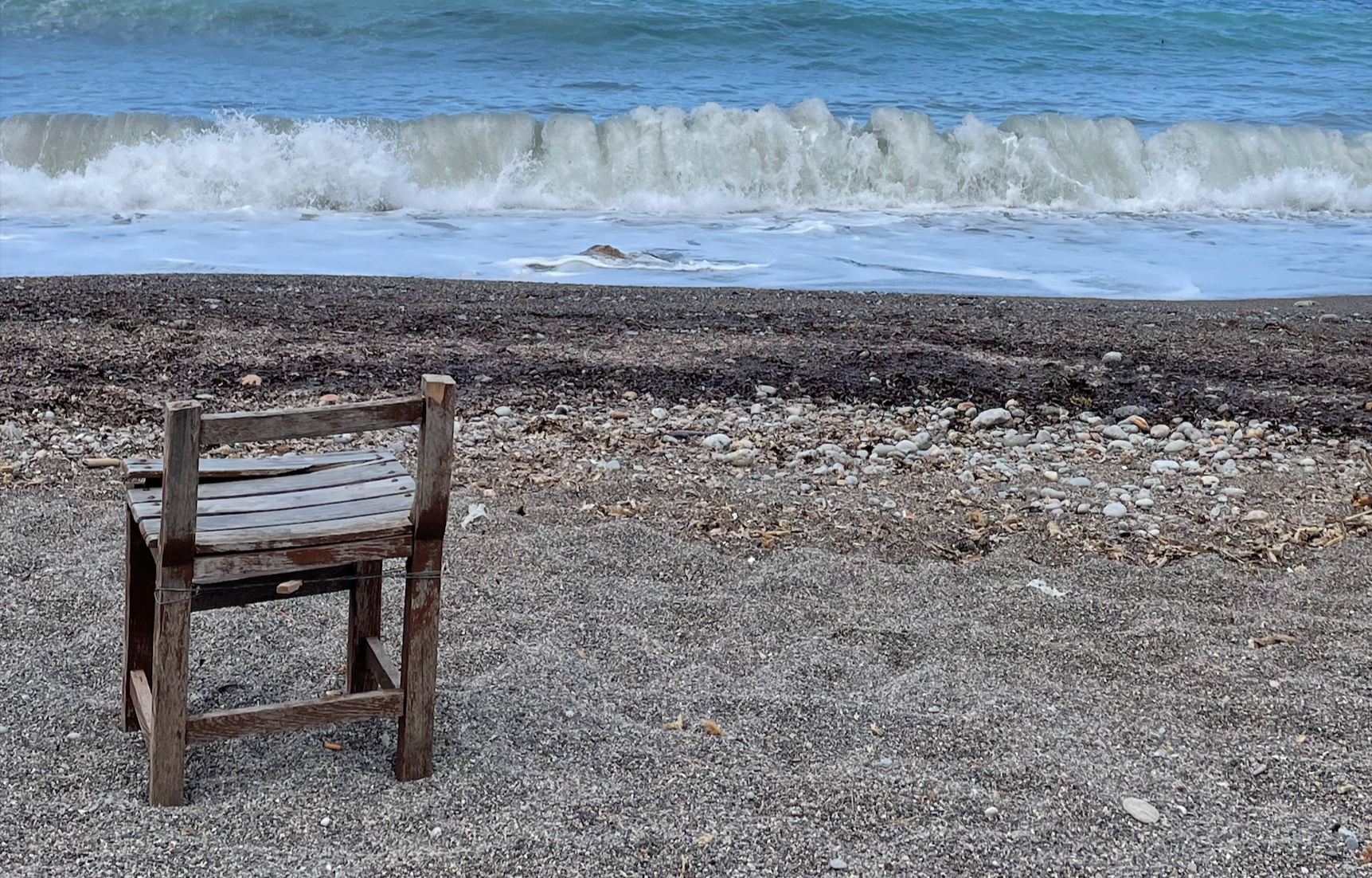
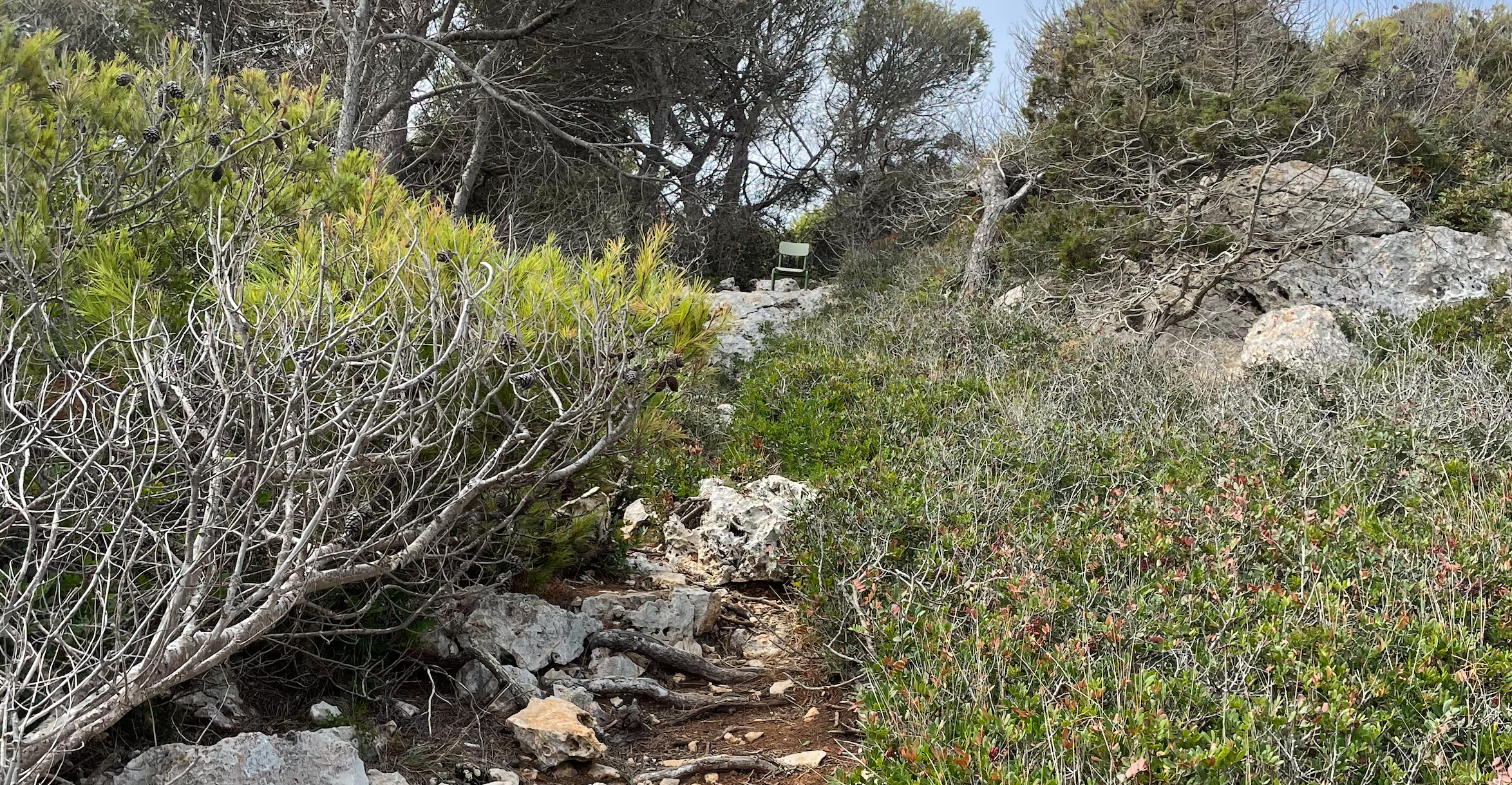
On those hikes, I started noticing chairs in unexpected places, overlooking a beautiful view, and photographing them. Someone had put a chair there because there was something worth sitting down for. I imagine them taking in the surroundings, perhaps returning to that same spot. Finding those chairs makes me feel connected to someone I have never met, through a shared appreciation of the beauty around us.
But it does not have to involve such a full experience. I have also found awe in encountering one of the most beautiful words: apricity. It describes feeling the warmth of the sun on your face on a cold day. Imagine walking around a corner in winter and suddenly feeling the sun on your face. You stop, close your eyes, and take it in.
Or imagine a night out, surrounded by great people, enjoying the music together. The music, the connection, and the appreciation of being there can come together in a feeling that goes beyond enjoyment alone. You become aware of how wonderful it is to be experiencing life.
When have you felt that admiration and appreciation of life, and how could you make more time for those experiences? It is worth recognizing what brings you that feeling.
For me, awe can also come through reading something beautiful, encountering an incredible idea, or seeing someone put something into words so well that it touches me. More rarely, I meet a person whose wisdom and approach to life amaze me. That, too, will leave me in awe. If you’re a bit like me, look for the beauty that can move you to tears.
Awe as part of my purpose
In my own Well, awe sits in ‘the foundation’, with being an admirer of life: it is the base of what nourishes me and keeps the water clear. The research on generosity and helping shows how that experience can reach beyond us, too. Something we take time to appreciate can affect the attention and care we bring to others. That connects the two sides of the Well: what nourishes us and what we offer.
In practice
Once a week, take a fifteen-minute walk with the aim of noticing what fills you with wonder. Look up, look closely, take your time. Explore somewhere unfamiliar if you can.
When someone’s kindness or courage moves you, pause and give that feeling your attention.
Make room for experiences without requiring them to produce a particular result. Listen to music, watch the (night) sky, or stop somewhere to take in the environment.
Study something very small or very big.
Keltner (2023)
Keltner & Haidt (2003)
Piff et al. (2015)
Sturm et al. (2022)